Advanced Robotics for Manufacturing: A Game-Changer
The rise of advanced robotics is transforming the global manufacturing sector. Unlike traditional automation, which focuses on repetitive tasks, advanced robotics combines AI, machine learning, vision systems, and human collaboration to deliver smarter, safer, and more flexible manufacturing solutions.
In today’s competitive environment, companies need to be agile, precise, and cost-effective. Advanced robotics enables exactly that — helping manufacturers boost productivity, reduce errors, and increase efficiency, while maintaining high product quality.
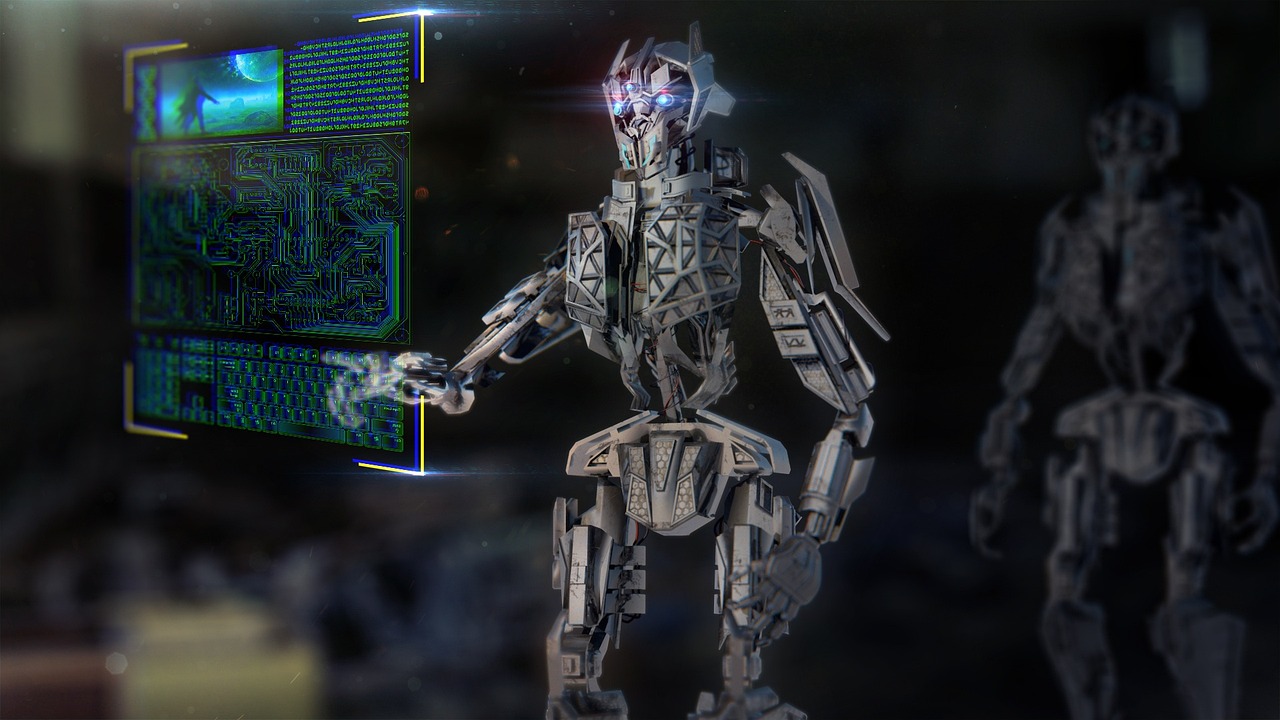 |
| Advanced Robotics for Manufacturing: Driving the Next Industrial Revolution |
Key Applications of Advanced Robotics in Manufacturing
1. Robotic Assembly
Robots equipped with advanced sensors and AI can assemble complex components with extreme accuracy, often surpassing human precision.
2. Welding and Fabrication
Automated robotic welding ensures consistency, safety, and faster turnaround, especially in industries like automotive and aerospace.
3. Material Handling
From moving raw materials to handling finished goods, advanced robots can transport, load, and unload items efficiently, minimizing workplace injuries.
4. Quality Inspection
Robots with machine vision technology can detect microscopic defects in products, ensuring flawless quality control.
5. Packaging and Logistics
Robots are increasingly used for packaging goods, labeling, and streamlining warehouse operations to reduce supply chain delays.
6. Human-Robot Collaboration (Cobots)
Collaborative robots (cobots) work safely alongside humans, handling repetitive tasks while workers focus on high-value processes.
Benefits of Advanced Robotics in Manufacturing
✅
Enhanced Precision – Robots deliver consistent, error-free production.
✅ Increased Productivity –
Automation speeds up output without compromising quality.
✅ Cost Reduction – Lower labor
costs, minimized waste, and improved efficiency.
✅ Workplace Safety – Robots
handle dangerous tasks, reducing risks for workers.
✅ Scalability – Easily adaptable
for both small-batch and large-scale production.
✅ 24/7 Operations – Robots ensure
continuous production without fatigue.
Future of Advanced Robotics in Manufacturing
The future of manufacturing is deeply tied to robotics. With AI-powered robots, machine learning, IoT integration, and cloud-based control systems, manufacturers will achieve self-optimizing factories capable of responding instantly to market demand. Additionally, the growth of 3D printing combined with robotics will revolutionize rapid prototyping and customization.
As robotics becomes more affordable and flexible, even small and medium-sized enterprises (SMEs) are adopting it, making advanced robotics a key pillar of Industry 4.0.
Final Thoughts
Advanced robotics is no longer just about automation — it is about intelligence, adaptability, and collaboration. Manufacturers who invest in robotic systems gain a competitive edge in efficiency, quality, and innovation.
In the coming years, advanced robotics will play a defining role in shaping the factories of the future, where humans and machines work together seamlessly to achieve higher productivity and sustainable growth.





0 Comments