The Material That Defies Heat
In the world of advanced engineering, some materials quietly make extraordinary feats possible. Kapton is one of them. This polyimide film is used in electronics, aerospace, and space exploration due to its unmatched thermal stability, chemical resistance, and electrical insulation.
From the Hubble Space Telescope to the James Webb Space Telescope, Kapton is a critical enabler of technology in extreme environments.
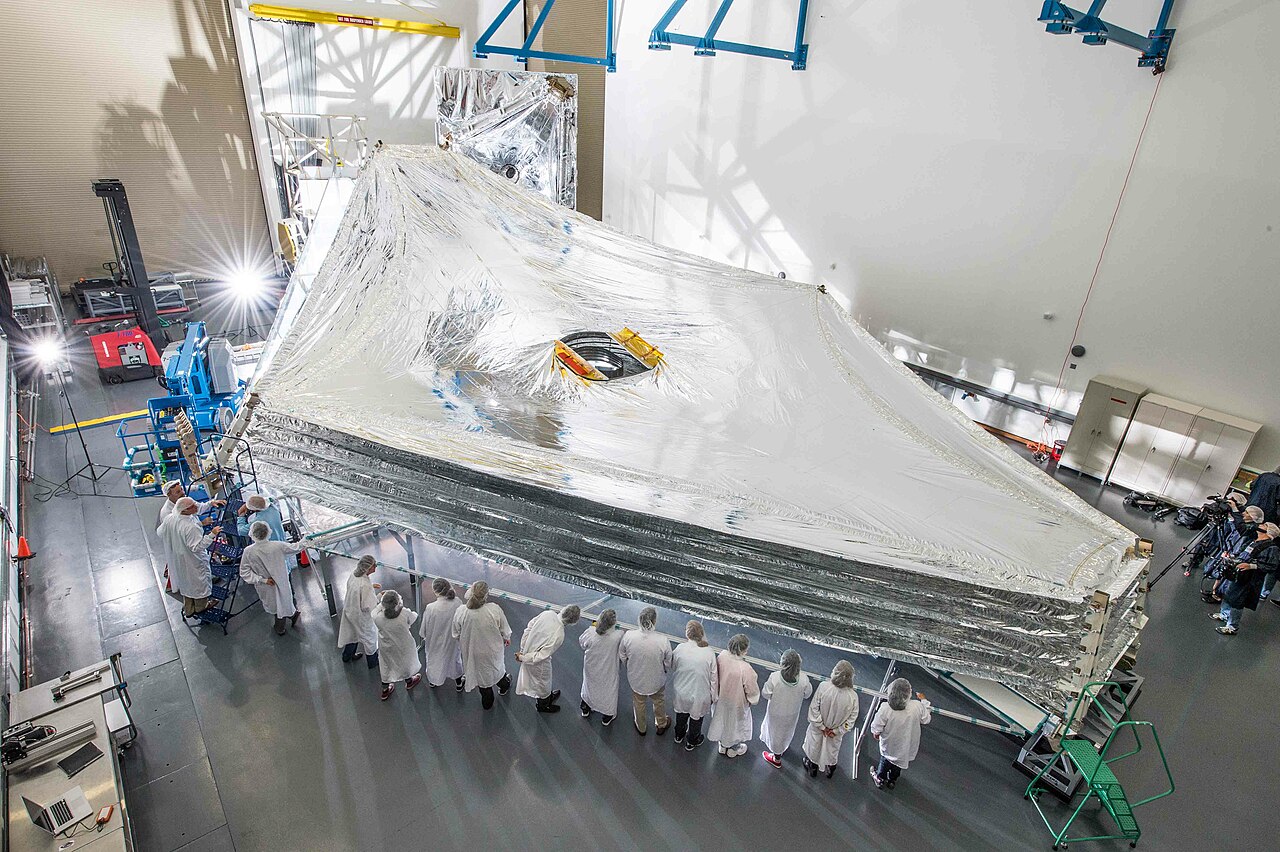 |
| Kapton: The Space-Proven Material Powering Modern Electronics and Space Exploration |
1. What is Kapton?
Kapton is a polyimide film developed by DuPont in the 1960s. Unlike ordinary plastics, it can withstand temperatures ranging from -269°C to +400°C without losing its structural or electrical properties.
Key Characteristics:
- Electrical Insulator: Excellent for protecting delicate circuits.
- Heat Resistance: Maintains integrity under extreme heat or cold.
- Chemical Stability: Resistant to solvents, fuels, and acids.
- Mechanical Strength: Durable yet flexible, ideal for bending around complex components.
Its versatility makes it a go-to material for aerospace, microelectronics, and industrial applications.
2. Applications in Space Exploration
Kapton is ubiquitous in spacecraft because it can survive harsh space conditions:
- Thermal Blankets and Insulation: Used on satellites and telescopes to protect instruments from extreme temperatures.
- Flexible Printed Circuits: Serves as a base for electronic circuits that must withstand thermal cycling and radiation.
- Tapes and Covers: Kapton tapes secure wires, sensors, and panels on spacecraft without melting or degrading.
Notably, JWST uses Kapton for sunshields, protecting sensitive infrared instruments from solar heat while being extremely lightweight.
3. Applications in Electronics
- High-Temperature Wiring: Kapton-coated wires are used in aircraft, satellites, and industrial machines.
- Flexible Electronics: Ideal for foldable devices and wearable tech due to its flexibility and durability.
- Semiconductors: Kapton films serve as protective layers in chip manufacturing, ensuring reliability under heat.
Its combination of flexibility, thermal resistance, and insulation makes it irreplaceable in modern electronics.
4. Unique Properties That Make Kapton Special
- Temperature Tolerance: Operates in cryogenic to high-temperature environments.
- Dimensional Stability: Maintains shape even under stress or heat cycling.
- Radiation Resistance: Survives space radiation without degrading.
- Chemical Resistance: Does not react with most industrial solvents and fuels.
These properties enable Kapton to perform where ordinary polymers would fail, making it essential for extreme engineering challenges.
5. Everyday Impact Beyond Space
While Kapton is famous in aerospace, it also touches everyday life:
- Smartphones and Laptops: Flexible circuit boards and insulation use Kapton.
- 3D Printing: Heat-resistant films protect surfaces from high temperatures.
- Industrial Machinery: Durable insulation for wiring and sensors in harsh factory conditions.
In essence, Kapton bridges cutting-edge space tech and consumer electronics, silently powering both worlds.
Kapton is not just another polymer — it is a material engineered for extremes. Its combination of thermal stability, electrical insulation, chemical resistance, and mechanical strength has made it indispensable in space exploration, electronics, and industrial applications.
From protecting JWST’s sensitive instruments to enabling flexible electronics on Earth, Kapton is a true unsung hero of modern technology.





0 Comments