SS304 vs SS316 Stainless Steel: The Hidden Alloys Shaping Modern Life
Stainless steel has quietly become one of the most indispensable materials of the modern world — found everywhere from kitchen sinks and skyscrapers to spacecraft and surgical instruments. Among its many grades, SS304 and SS316 stand out as the most commonly used and technically significant. Though they may look identical, their chemical composition and corrosion resistance distinguish their applications in profound ways, influencing everything from our gadgets to global infrastructure.
1. What is Stainless Steel?
Stainless steel is an iron-based alloy containing at least 10.5% chromium, which forms a thin, invisible, and self-healing chromium oxide layer. This layer gives stainless steel its hallmark corrosion resistance, ensuring durability even in harsh environments.
Different grades of stainless steel are developed by adding elements like nickel, molybdenum, and carbon, which enhance specific properties like strength, ductility, and resistance to chemicals.
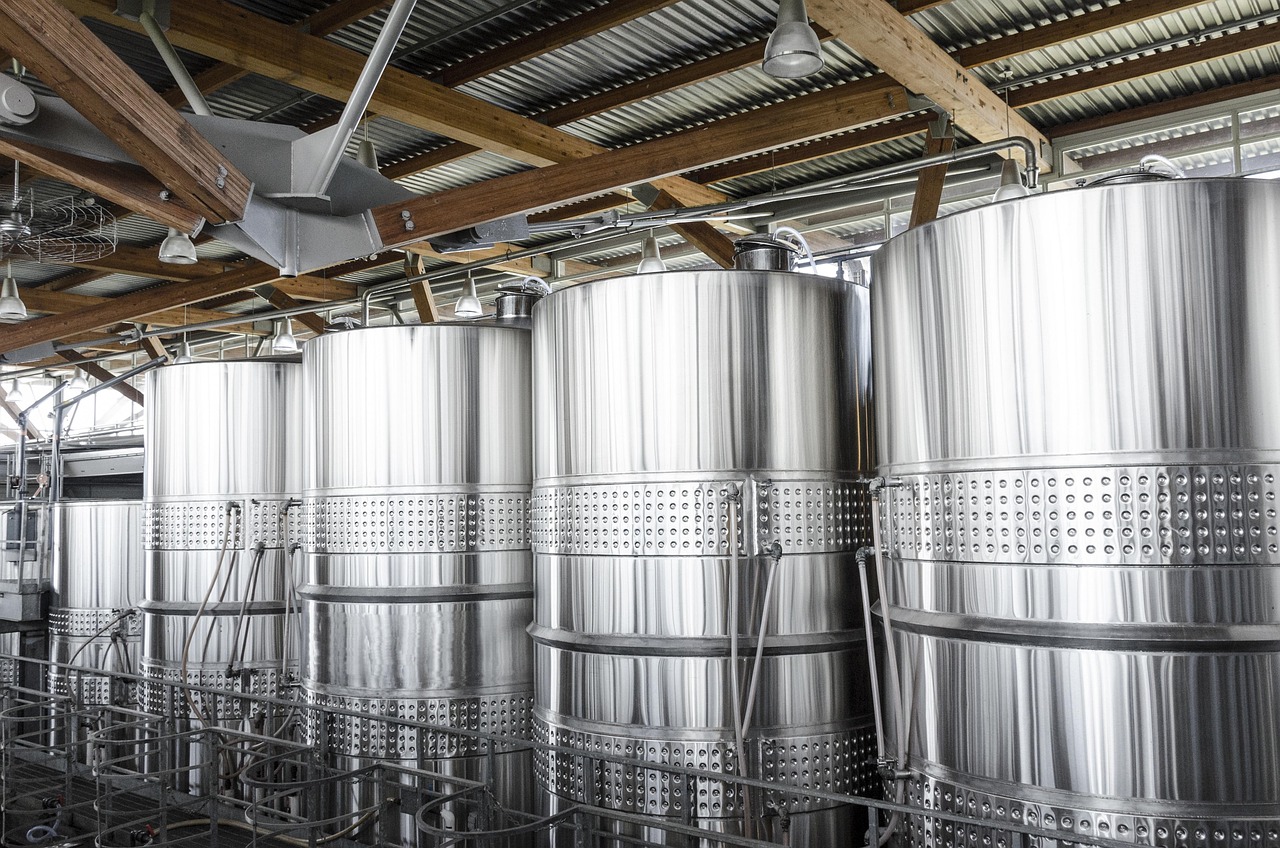 |
| SS304 vs SS316 Stainless Steel: The Hidden Alloys Shaping Modern Life |
2. Understanding SS304
SS304 (AISI 304) is the most widely used stainless steel grade in the world. It belongs to the Austenitic family (300 Series), known for its excellent formability and weldability.
Chemical Composition:
· Chromium (Cr): 18–20%
· Nickel (Ni): 8–10.5%
· Carbon (C): ≤ 0.08%
· Iron (Fe): Balance
Key Properties:
· Excellent corrosion resistance in atmospheric and mildly acidic environments.
· High ductility and toughness even at cryogenic temperatures.
· Non-magnetic in annealed condition.
Common Applications:
· Kitchen appliances and cookware
· Food processing equipment
· Architectural panels
· Automotive trim and exhaust systems
In essence: SS304 is the “everyday stainless steel” — strong, affordable, and versatile.
3. Understanding SS316
SS316 is an upgraded version of SS304, designed for more aggressive environments — particularly those involving chlorides, acids, or saline water.
Chemical Composition:
· Chromium (Cr): 16–18%
· Nickel (Ni): 10–14%
· Molybdenum (Mo): 2–3%
· Carbon (C): ≤ 0.08%
· Iron (Fe): Balance
Key Properties:
· Superior resistance to pitting and crevice corrosion, thanks to molybdenum.
· High mechanical strength under heat and pressure.
· Better resistance in marine and chemical environments.
Common Applications:
· Marine fittings and boat hardware
· Medical and surgical instruments
· Pharmaceutical and chemical plants
· Food and beverage processing under strict hygiene conditions
In essence: SS316 is the “marine-grade” or “surgical-grade” stainless steel — designed for durability in the toughest environments.
4. How SS304 & SS316 Are Changing Our Lifestyles
a. Everyday Hygiene and Safety
From kitchen sinks to water bottles, stainless steel surfaces are non-reactive and antibacterial, ensuring safer food handling and storage. The durability of SS304 ensures longer life for household items, reducing waste.
b. Modern Architecture and Aesthetics
Skyscrapers, airports, and luxury interiors increasingly rely on SS304 claddings and SS316 railings for their clean, reflective surfaces and corrosion-free longevity, even in coastal cities.
c. Healthcare Revolution
SS316, with its biocompatibility and sterilization resistance, has revolutionized medical implants, surgical tools, and hospital furniture, ensuring longevity and patient safety.
d. Sustainability
Both SS304 and SS316 are 100% recyclable, contributing to the circular economy and reducing environmental impact. Their long life cycles minimize maintenance and replacement costs.
e. Space and Technology
High-grade stainless steels are now used in space vehicles, satellites, and renewable energy systems. SS316L (a low-carbon version) is especially valued in precision instruments and vacuum systems.
5. Key Differences at a Glance
|
Property |
SS304 |
SS316 |
|
Molybdenum (Mo) |
None |
2–3% |
|
Corrosion Resistance |
Good |
Excellent (especially in saline/acidic environments) |
|
Cost |
Moderate |
Higher |
|
Applications |
Household, architecture |
Marine, chemical, medical |
|
Durability |
High |
Very High |
6. Conclusion
While SS304 defines durability in everyday life, SS316 extends that durability into the realms of medicine, marine engineering, and chemical processing. These two alloys are silently powering modern civilization — ensuring cleanliness, safety, and sustainability in the built environment and beyond.
As we move toward a more advanced, eco-conscious world, stainless steel — led by SS304 and SS316 — continues to reshape how we live, build, and heal.


